Thankful Pumpkin: A Designer's Practical Review
As someone who has spent years navigating the fine line between a beautiful digital file and a flawless stitched reality, I approach every new machine embroidery design with a mix of excitement and skepticism. The market is flooded with generic patterns that look great on a screen but fall apart under the needle. When I first opened the preview for Thankful Pumpkin, my initial thought was whether it would hold up as a viable asset for my upcoming holiday collection or if it was just another fleeting trend. After analyzing the layout, stitch paths, and potential applications, I can confidently say this design offers more than just a seasonal graphic; it provides a genuine opportunity to elevate your handmade product line.
The Visual Personality and First Impression
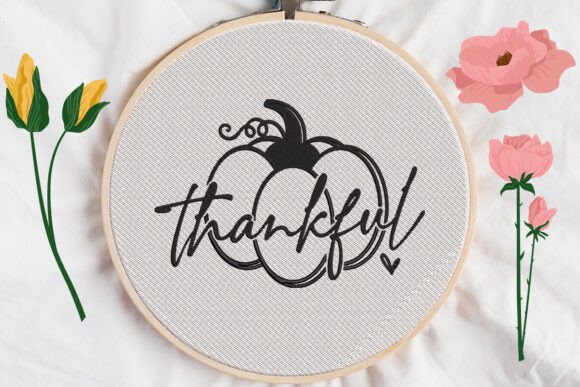
Thankful Pumpkin immediately strikes a balance between whimsical charm and professional polish. Unlike many holiday embroidery designs that rely on overly complex shading or excessive detail that gets lost in the stitching process, this piece focuses on clean lines and a cheerful aesthetic. The shape is distinct without being rigid, allowing it to adapt well to various fabric textures. For an Etsy seller or a boutique owner, the visual appeal is crucial because customers often make their purchasing decision based on how "finished" a mockup looks before they ever touch the physical item.
The design radiates a warm, autumnal mood that fits perfectly into the Thanksgiving season without feeling cliché. It has that "trendy" quality mentioned in its description, but with a level of artistic integrity that suggests longevity. If you are planning to use this as a tote bag design or for sweatshirt embroidery, the proportions are forgiving enough to remain recognizable even from a distance. This is a critical factor for commercial embroidery projects where brand recognition and clarity matter more than microscopic details.
Real-World Application: A Case Study
To truly test the viability of Thankful Pumpkin, I visualized a specific project: a limited-run batch of organic cotton kitchen towels intended for a local craft fair. In this scenario, the towel acts as both a functional item and a decorative piece for the home. The design's layout allows it to sit comfortably in the center of a standard 4x4 inch hoop, leaving ample negative space around the edges for a professional finish.
When I mentally mapped out the thread colors, I saw immediate potential for using earthy tones—deep oranges, muted greens, and cream accents—to create depth without overwhelming the fabric. The design seems to utilize a combination of fill stitch for the main body and perhaps some running stitch or satin stitch for the stem and facial features. This mix is excellent for creating texture. On a terry cloth towel, the raised nature of the satin stitches would add a tactile element that customers love, turning a simple towel into a premium personalized gift.
Imagine a customer holding this finished product. They aren't just seeing a pumpkin; they are seeing a cohesive design that enhances the fabric rather than fighting against it. For a small shop product, this kind of attention to detail builds trust. It signals that the maker cares about quality, which directly influences buyer engagement and repeat business. Whether used on a baby onesie for a festive photo shoot or as a patch for a denim jacket, Thankful Pumpkin maintains its character across different mediums.
Navigating Technical Challenges
While the design is versatile, experienced designers know that no embroidery file is immune to technical pitfalls. There are specific scenarios where Thankful Pumpkin requires careful handling to ensure the finished product meets high standards.
- Fabric Texture and Stability: If you plan to use this on highly textured fabrics like heavy fleece or thick canvas, you must be mindful of the stitch density. Dense areas might sink into the fabric pile, causing the design to look muddy. Always test on scrap fabric first to see how the needle penetrates the material.
- Curved Surfaces: While great for flat surfaces like pillow covers or aprons, applying this to curved items like caps requires precision. The bottom curve of the pumpkin might distort if the hooping isn't perfect. Ensure you are using the correct hoop size and a cap frame attachment if attempting this on headwear.
- Dark Fabrics: On black or navy backgrounds, the contrast becomes vital. You may need to adjust the underlay settings or add a backing layer to prevent the dark fabric from showing through lighter thread colors. A proper stabilizer is non-negotiable here to prevent puckering.
- Small Scale Limitations: Do not attempt to resize this design too small. The facial features and text elements (if any) could become indistinguishable blobs. Stick to the recommended scaling to preserve the clarity of the applique design elements or fill areas.
Strategic Advice for Designers and Makers
For those looking to incorporate Thankful Pumpkin into their business workflow, here are some practical notes to maximize success. First, always run a test stitch on a piece of the actual fabric you intend to use. This allows you to check the tension, verify the thread colors against the background, and inspect small details for any gaps or misalignments.
Second, consider the commercial implications. Before selling items featuring this design, confirm the licensing terms. Many digital embroidery files have restrictions on the number of items you can sell or require a specific license for commercial embroidery use. Never assume a personal license covers your entire inventory. Additionally, creating printable mockups of your products with this design can help showcase the potential to customers before you even cut the fabric.
Finally, think about brand consistency. Does the cheerful, artistic vibe of Thankful Pumpkin align with your shop's overall aesthetic? If your brand is minimalist, this design might pop beautifully as a seasonal accent. If your brand is rustic, it fits right in. The key is to ensure that every custom apparel item or embroidered patch you produce feels intentional.
Final Verdict on Project Suitability
In conclusion, Thankful Pumpkin is a robust addition to any designer's library for the fall season. It avoids the common traps of over-complication while delivering a strong visual impact that translates well to real-world applications. From baby embroidery projects to home decor accents, it offers the flexibility needed for diverse crafting needs. By respecting the technical requirements of the machine and the fabric, you can turn this design asset into a standout product that customers will cherish. It is a reminder that the best embroidery isn't just about the file; it's about the thoughtful execution that brings the design to life.