Rose Beauty: A Designer’s Review for Craft Fair Success
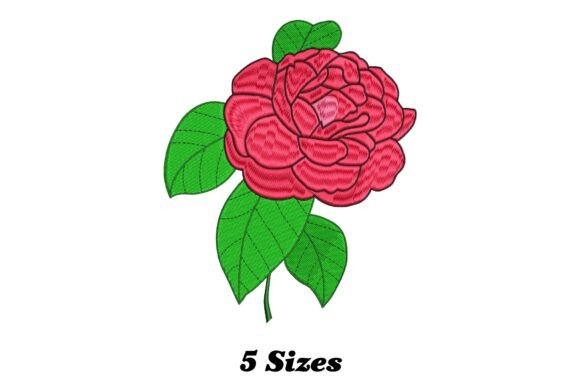
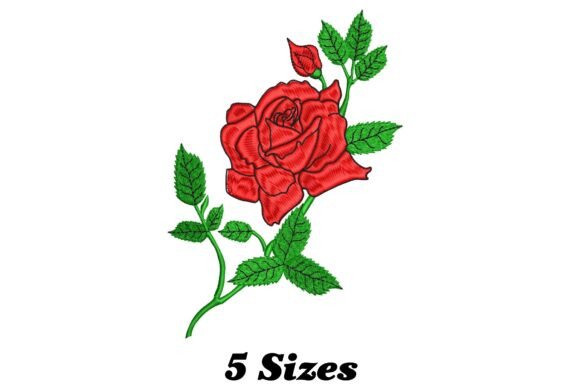
As an embroidery designer who has spent countless weekends behind a booth table, I know that not every design translates into sales. Some look beautiful on a screen but fail to catch the eye in a crowded market. Today, I am reviewing Rose Beauty, a single flower machine embroidery design that promises to transform your fabrics with a touch of flair. After stitching out several samples and testing it on various materials, I have formed a clear opinion on whether this design deserves a spot in your next craft fair lineup.
First Impressions: Playful Elegance
The title Rose Beauty suggests something classic, perhaps even romantic or vintage. However, the product description hints at a "playful and fanciful accent." This duality is exactly what makes a design versatile for a small shop product. Upon inspecting the stitch pattern, I found that it strikes a balance between decorative charm and modern simplicity. It does not feel overly rustic or aggressively bold; instead, it offers a soft, approachable aesthetic that appeals to a wide demographic.
For Etsy sellers and boutique makers, this visual ambiguity is a strength. It can be marketed as a cute addition to a child’s item or an elegant touch on home decor, depending entirely on your thread color choices and fabric selection. The design feels intentional and premium, avoiding the cluttered look that often plagues lower-quality digital embroidery files.
Product Versatility and Market Fit
When preparing for a weekend craft fair, space is limited, and every item must earn its place on the table. I tested Rose Beauty across a range of popular handmade products to see where it performed best.
- Tote Bag Design: Placed centrally on a canvas tote, the design acts as a strong focal point. It draws customers in from a distance, making it an excellent choice for market bags and grocery totes.
- Apron Embroidery: On a bib apron, the rose adds a personal, handmade touch that elevates the perceived value. It works particularly well on solid-colored cotton or linen blends.
- Tea Towel Embroidery: This is where the design truly shines. Kitchen textiles are high-volume sellers at fairs. The playful nature of the rose complements the functional aspect of a towel without overwhelming the fabric texture.
- Embroidered Patch: If you offer custom patches, this design scales down reasonably well, provided you adjust the density. It creates a charming iron-on accessory for jackets or hats.
- Caps and Pouches: While possible, curved surfaces like caps require careful hooping. The design may lose some clarity if the fabric is too textured or the curve is too steep.
For those selling printable mockups or digital assets, Rose Beauty photographs beautifully. The clean lines and distinct petals create high-contrast images that pop on social media feeds, helping drive traffic to your online listings.
Production Practicality for Batch Selling
From a business perspective, efficiency is key. A design that takes twenty minutes to hoop and stitch is not viable for a high-volume craft fair product. Rose Beauty appears to be optimized for speed without sacrificing quality. The stitch path seems logical, minimizing jumps and trims, which is crucial for commercial embroidery operations.
The design works well as both a small accent and a larger statement piece. This flexibility allows you to create a cohesive product line. You can offer a small version on a coin purse and a larger version on a pillow cover, creating a sense of brand consistency across your booth display. Buyers often purchase multiple items when they recognize a recurring motif, boosting your average order value.
Careful-Use Notes and Technical Considerations
While the design is robust, there are technical factors to consider before launching your production run. Always check the specific details of the embroidery file, such as stitch count and recommended hoop size, as these were not explicitly provided in the brief description.
- Stitch Density: Review the density carefully. If the petals are too dense, they may cause puckering on lightweight fabrics like t-shirts. Use a cut-away stabilizer for stretchy materials to maintain shape.
- Fabric Texture: Thick or highly textured towels can obscure fine details. Test on your actual inventory to ensure the rose remains visible and crisp.
- Thread Colors: Contrast is vital. On dark fabric, use bright or metallic threads to make the design stand out. On light fabric, subtle tonal variations can create a sophisticated, understated look.
- Small Details: If scaling down for patches or small pouches, ensure the tiny details do not become lost. Simplify the thread palette if necessary to maintain clarity.
Enhancing Visual Appeal and Buyer Engagement
In a crowded marketplace, visual appeal drives initial interest. Rose Beauty contributes to a strong booth display by adding a splash of color and personality to neutral items. A plain white tea towel becomes a giftable handmade item with just one well-placed rose. This transformation highlights the quality of your work and justifies a higher price point.
Customer attention is often captured by familiarity mixed with novelty. Roses are universally loved, but the playful execution of this design offers a fresh take. It feels current and relevant, appealing to buyers looking for modern farmhouse or chic minimalist aesthetics. By using this design consistently across your product range, you build brand recognition. Customers begin to associate that specific rose style with your shop, fostering loyalty and repeat business.
Designer’s Checklist for Success
Before you commit to producing fifty units for your next fair, follow these practical steps:
- Test on Scrap Fabric: Never skip the test stitch. Use the same fabric type and weight you intend to sell.
- Check Thread Contrast: Ensure the colors you choose provide enough definition against the background material.
- Review Spacing: Confirm that the design fits comfortably within your chosen hoop size without hitting the edges.
- Inspect Stitch Density: Look for any areas that appear too thick or too sparse and adjust tension if needed.
- Use the Right Stabilizer: Match the stabilizer to the fabric. Tear-away for stable woven fabrics, cut-away for knits.
- Create a Real Mockup: Photograph the finished product in natural light to see how it truly looks.
- Confirm Commercial Licensing: Ensure your purchase of the digital embroidery file includes rights to sell finished products. This is critical for legal compliance as an Etsy seller or small business owner.
In conclusion, Rose Beauty is a strong contender for any embroidery business looking to expand its craft fair offerings. Its versatility across tote bags, aprons, and home decor makes it a safe yet stylish choice. By paying attention to production details and leveraging its visual appeal, you can turn this single flower design into a best-selling staple of your handmade collection.