Autumn Coffee: A Professional Embroidery Review
As an embroidery designer who has spent years translating digital files into tangible brand assets, I approach every new design with a critical eye. The market is flooded with generic patterns, but finding a machine embroidery design that truly serves the needs of small business owners, apparel decorators, and Etsy sellers requires a specific set of qualities. Today, I am reviewing the Autumn Coffee design. This piece promises to harness the aesthetics of fall, positioning itself as an impeccable choice for quick stitching endeavors. But does it hold up under the scrutiny of commercial production? Let’s dive into how this linework marvel performs when applied to real-world merchandise.
First Impressions: Visual Personality and Brand Fit
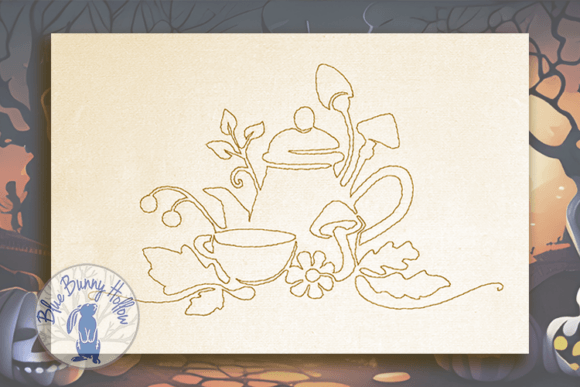
When I first loaded the digital embroidery file for Autumn Coffee into my digitizing software, the immediate impression was one of rustic elegance. The description highlights its nature as a linework embroidery design, which immediately signals versatility. Unlike heavy, dense fill designs that can weigh down delicate fabrics, linework offers a lighter, more breathable aesthetic. For a boutique café or a handmade soap brand looking to evoke the cozy, warm feelings of the season without appearing cluttered, this design strikes the right balance.
The visual personality of Autumn Coffee feels both friendly and professional. It avoids the trap of being overly cartoonish, which often limits a design to children's wear or novelty items. Instead, the lines suggest a modern classic style that fits seamlessly into a cohesive brand identity. Whether you are branding staff uniforms for a local bakery or creating limited-edition tote bags for a florist, the design carries enough sophistication to elevate the perceived value of your product. It suggests a brand that cares about detail and seasonal relevance, fostering customer trust through thoughtful presentation.
Performance in Real Business Applications
The true test of any embroidery file lies in its application across various substrates. Based on the linework structure of Autumn Coffee, I see immense potential for several key business use cases:
- Embroidered Patches: This is perhaps the strongest use case. The clean lines of Autumn Coffee translate beautifully into woven or embroidered patches. These can be sold as standalone accessories or attached to denim jackets and canvas backpacks. The design allows for a crisp edge, making it ideal for iron-on applications where precision matters.
- Cap Embroidery: For local businesses needing promotional headwear, this design works exceptionally well on the front panel of a cap. The linear elements prevent the fabric from puckering excessively, a common issue with high-density fills on curved surfaces. It creates a subtle yet recognizable logo accent.
- Apron Embroidery and Staff Uniforms: In the food and beverage industry, aprons are a prime canvas. Placing Autumn Coffee on the chest pocket or the upper left side of a chef’s coat adds a touch of seasonal flair to work shirts. It transforms standard uniforms into branded merchandise that employees actually want to wear.
- Tote Bag Design: Canvas tote bags are a staple for eco-conscious brands. The open nature of the linework ensures that the stitches do not overwhelm the texture of the canvas, allowing the natural grain of the fabric to show through while still delivering a bold message.
- Product Packaging Accents: For handmade goods like candles or soaps, attaching a small embroidered label featuring this design can significantly boost the unboxing experience. It moves the product from "commodity" to "premium gift."
Critical Considerations for Production
While Autumn Coffee is a strong contender, experienced designers know that no design is universally perfect without proper adaptation. There are specific scenarios where caution is required to ensure the finished product meets quality standards.
First, consider stitch density and thread colors. Because this is a linework design, using thin threads on dark uniforms might result in poor visibility. You may need to adjust the thread weight or add a backing layer to ensure the design pops against black or navy fabrics. Additionally, if you plan to use this for tiny lettering within the design, verify that the stitch count supports legibility at smaller scales. Linework can sometimes become muddy if scaled down too far on textured fabric like fleece or heavy wool.
Another area requiring attention is the hoop size. While the description mentions it is tailored for quick stitching, always confirm the dimensions before committing to a large run. If the design is intended for a sleeve detail, ensure it fits within a 4x4 inch hoop without distorting the proportions. Finally, for items that require frequent washing, such as staff aprons, test the durability of the stitches. Linework is generally durable, but the tension settings must be precise to prevent snagging over time.
Strategic Value for Small Business Merch
For entrepreneurs and merch creators, the decision to use Autumn Coffee goes beyond aesthetics; it is a strategic move for commercial embroidery projects. A well-executed design enhances buyer engagement by signaling that the brand is attentive to current trends. Seasonal merchandise drives urgency and sales, and having a ready-to-use asset like this saves valuable time during peak production periods.
Furthermore, consistency is key to building a handmade product line. By using Autumn Coffee across caps, totes, and patches, you create a unified visual language. This consistency reinforces brand recognition. When a customer sees the same elegant linework on a coffee shop apron and a retail bag, they begin to associate that specific style with your business quality. It elevates the entire portfolio of design assets you offer.
Practical Designer Notes for Implementation
Before you rush to produce your first batch of custom apparel, follow these practical steps to ensure success with the Autumn Coffee design:
- Test in Black and White: Always run a test stitch on scrap fabric using a single color. This reveals any issues with spacing, jump stitches, or density before you commit to expensive multi-color thread runs.
- Verify Licensing: As a business owner, it is crucial to confirm the commercial licensing terms. Ensure you have the right to use this embroidery file for unlimited products or check if there are restrictions on the number of units you can sell.
- Check Stabilizer Needs: Even with linework, the right stabilizer is non-negotiable. Use a tear-away or cut-away stabilizer appropriate for your fabric texture to prevent shifting during stitching.
- Create a Printable Mockup: Before sending the file to production, generate a printable mockup to show clients or stakeholders. This helps visualize how the design sits on the final item and secures client approval early in the process.
- Compare with Existing Assets: Place the Autumn Coffee design beside your other brand logos. Does it clash? Does it complement? Ensure it fits the overall tone of your brand identity.
In conclusion, the Autumn Coffee embroidery design offers a compelling blend of seasonal charm and professional utility. It is not merely a decoration; it is a functional tool for branding that can transform simple textiles into memorable small business merch. By respecting its technical requirements and applying it strategically, you can create high-quality products that resonate with customers and strengthen your brand presence this fall.